CERTIFICATIONS
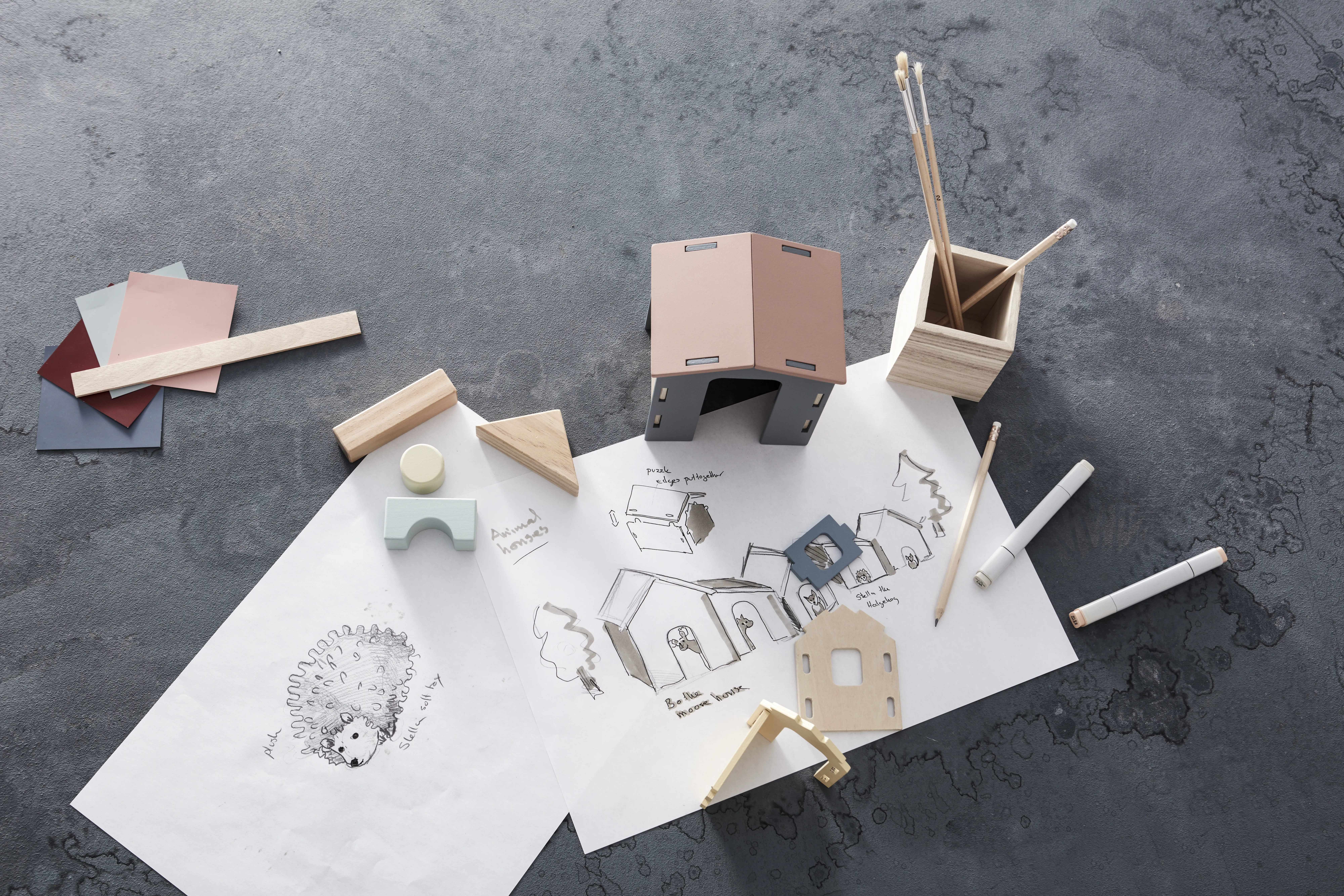
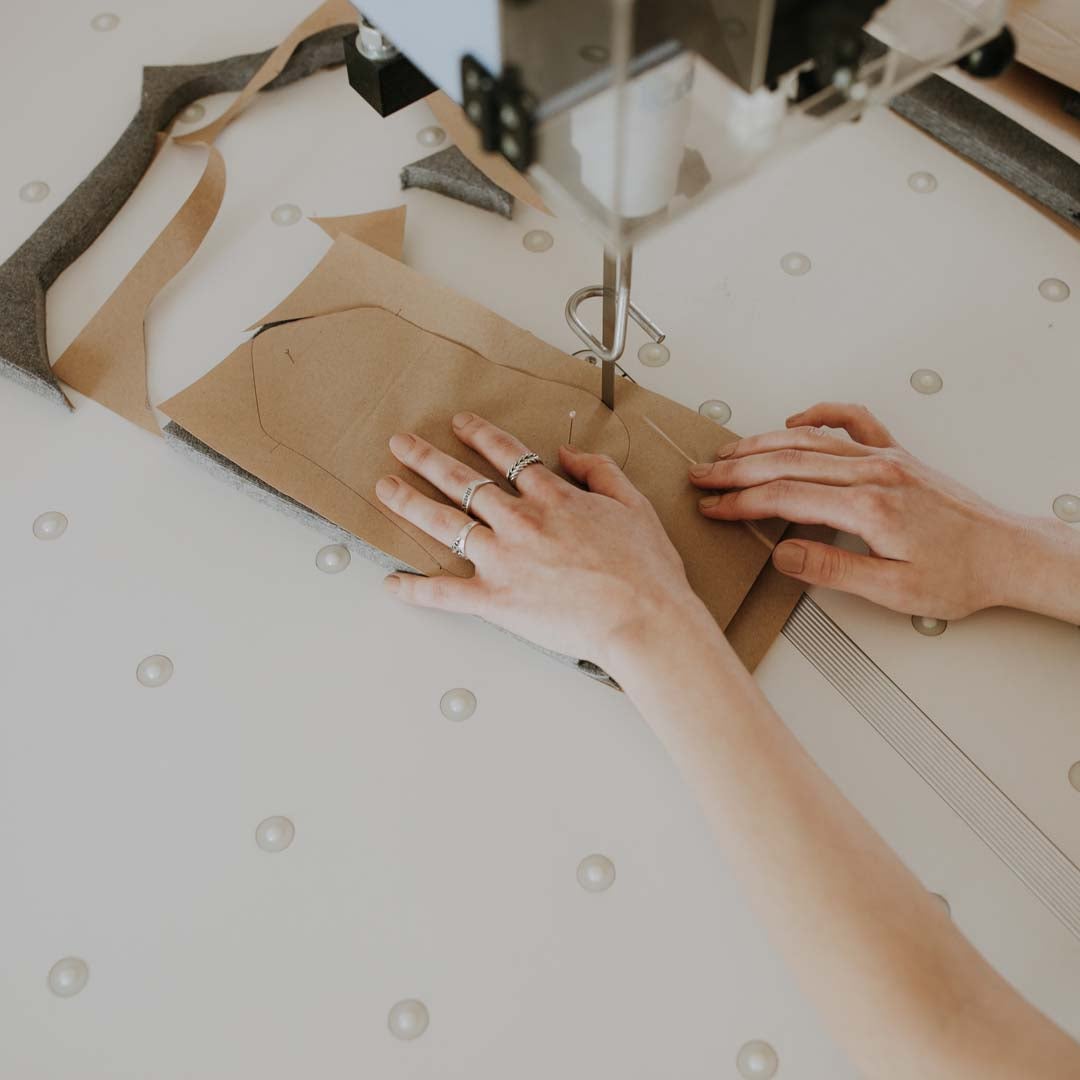
Did you know that it takes us at least 18 months to create a toy?
From the moment our designer Lotta starts her first sketch until it is available for purchase in stores, there are quite a few steps that need to be taken through. In addition to figuring out what type of toy or furniture we are going to make, we also have to:
- Determine what type of wood or fabric is best suited for the specific product.
- Design the product so that it is easy for you as a parent to assemble.
- Find materials that are approved or certified of various kinds.
- Make sure that the product can be packed smartly so that it does not take up too much space in shipping.
- Safety test the product both at our headquarters and at an independent laboratory.
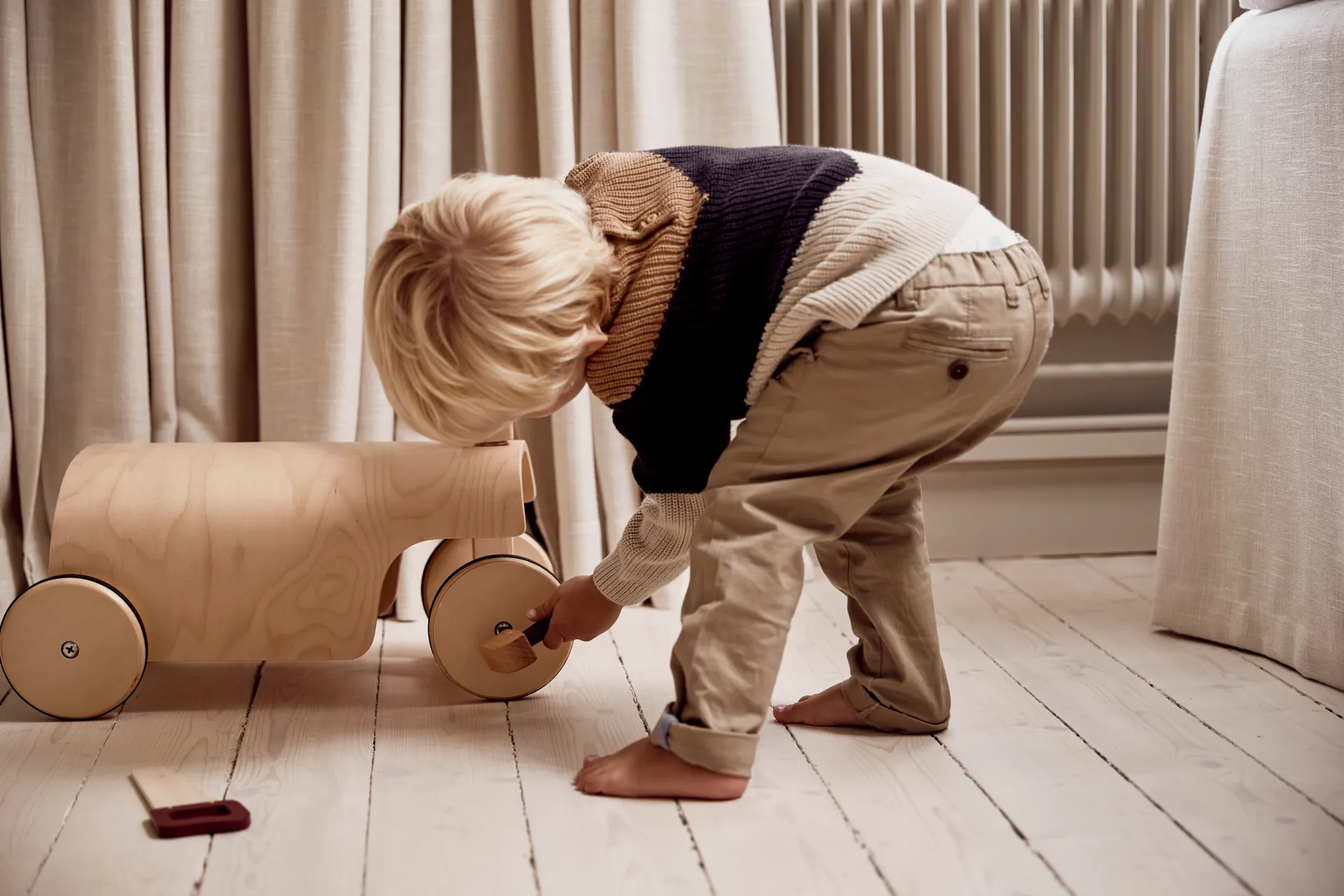
Pfeew! There is simply a lot that we do so that you as family members and friends feel safe with our toys and furniture. Luckily, we love this and find it exciting to find new smart solutions so that you and the children can have a fun time.
GOTS
At Kid’s Concept we want to take care of both the children and the world they grow up in. That’s why some of our products are made from GOTS-certified fabrics. GOTS stands for Global Organic Textile Standard. It is a leading certification for textiles made from organic fibers. The certification ensures high environmental and social standards.
Better for the planet and better for the people who make the products we love.
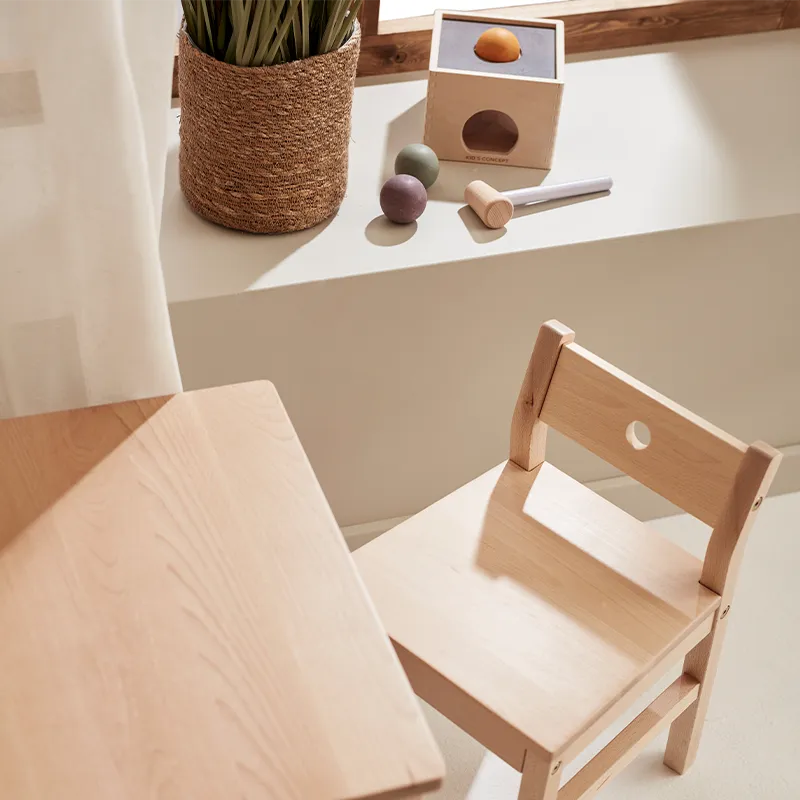
FSC®
The Forest Stewardship Council® is an international membership organization that promotes responsible forestry. These rules protect endangered plants and animals, the future capacity of the land to support forests, and also ensure that those who work in the forest have healthy working conditions.
Here you will find toys and children's furniture made from FSC-certified wood.
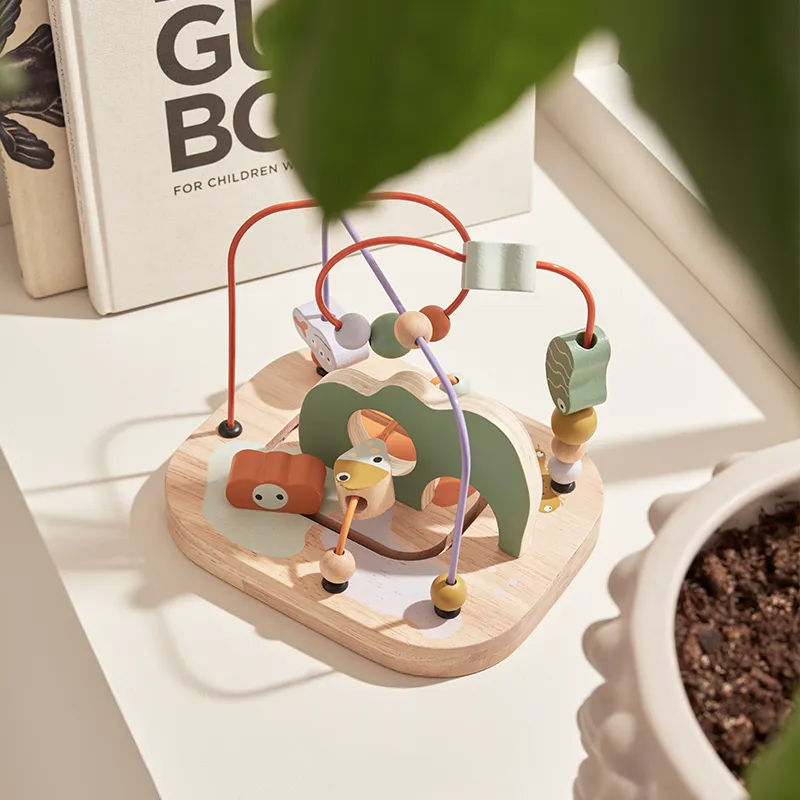
CE
Many products require a CE marking to be sold within the European Union. The CE marking means that the manufacturer guarantees that the product meets the safety requirements set by the EU for that particular product.
All products must be safe, but not all may be CE marked. Examples of products that may not be CE marked include furniture, strollers, pacifiers and other children's items. The laboratory tests products that may not be CE marked using standards developed specifically for each type of product, and they are just as safe as products with a CE mark.